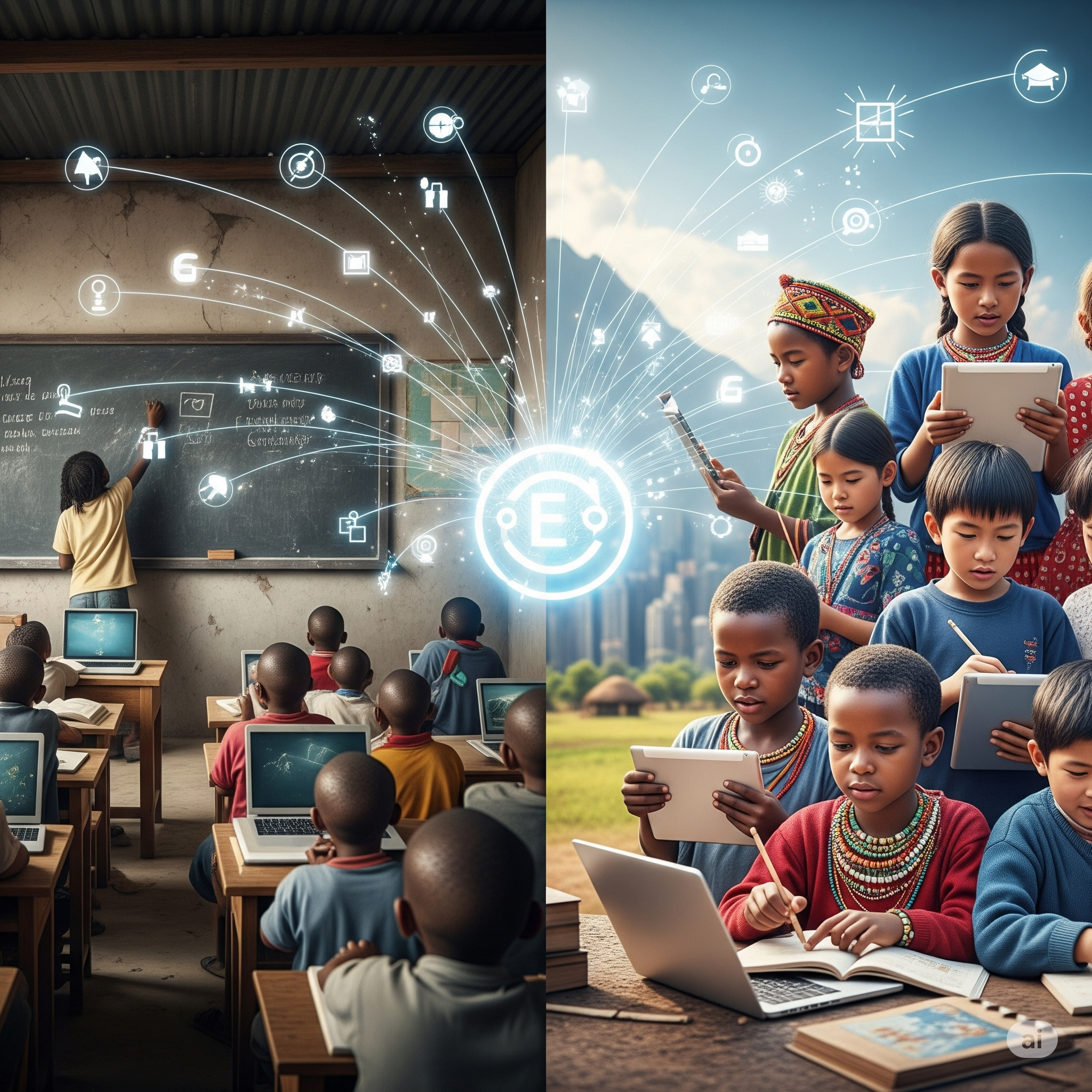
The Global Education Gap: A Persistent Challenge
Education has long been a ticket to opportunity, but access remains uneven worldwide. UNESCO reports 263 million children and youth are out of school, and 60% of adults in low-income countries lack basic literacy. Online learning is emerging as a powerful tool to bridge this gap, delivering quality education to remote and underserved communities. This article explores how digital platforms are transforming access, affordability, and outcomes globally.
What Is the Global Education Gap?
The education gap refers to disparities in access to quality education, driven by geography, income, gender, or infrastructure. Rural areas, conflict zones, and low-income regions often lack schools or trained teachers. Online learning, with its scalability and flexibility, is breaking these barriers, bringing knowledge to anyone with an internet connection.
Why the Gap Persists
Poverty, lack of infrastructure, and cultural barriers keep millions from education. For example, girls in some regions face restrictions, while rural students may travel hours to reach a school. Online platforms like Khan Academy and Coursera offer solutions where traditional systems fall short.
The Scale of the Problem
UNESCO estimates 1.6 billion learners were affected by school closures during the pandemic, exposing global inequalities. In 2025, online learning’s reach—over 2 billion users worldwide—makes it a vital tool for closing these gaps.
How Online Learning Addresses Accessibility
Global Reach with Minimal Infrastructure
Online platforms require only a device and internet, bypassing the need for physical schools. In 2025, 5G expansion and affordable smartphones make learning accessible in remote areas. Platforms like edX deliver courses in 50+ languages, reaching diverse populations.
Real-World Impact
In rural India, students use free apps like BYJU’S to access math lessons. A friend’s cousin in a remote village learned coding via freeCodeCamp, landing a tech job without ever attending a university.
Mobile Learning for On-the-Go Education
Mobile apps from Coursera, Udemy, and Duolingo make learning portable. In 2025, 70% of online learners use smartphones, per Statista, enabling education in areas with limited desktop access. This is a game-changer for busy or remote learners.
Why Mobile Matters
Mobile learning fits into daily life—think a farmer studying during a break or a commuter learning on a bus. I saw this firsthand when a colleague in Kenya used Duolingo to learn English while waiting for clients.
Localized Content for Cultural Relevance
Platforms like FutureLearn and Alison offer courses tailored to local needs, from agriculture in Africa to language skills in Asia. In 2025, AI-driven translation ensures content resonates with diverse cultures, making education inclusive.
How Localization Helps
Localized courses respect cultural contexts, like teaching business skills in Swahili. This approach boosted enrollment in Kenya’s iHub programs, empowering local entrepreneurs with relevant training.
Affordability: Education for All Budgets
Free and Low-Cost Options
Unlike traditional education’s high costs, online platforms offer free or affordable courses. Khan Academy and YouTube provide free content, while Udemy courses often cost under $20. This democratizes learning for low-income communities.
Examples of Affordability
Coursera’s financial aid and edX’s free audits make quality education accessible. A single mother I know learned digital marketing on Udemy for $15, kickstarting a freelance career without debt.
Scalability Reduces Costs
Online courses can reach millions without added infrastructure. Platforms like Alison serve 25 million learners globally with minimal overhead. In 2025, this scalability means quality education at a fraction of traditional costs.
Why Scalability Matters
One instructor’s course can teach thousands, unlike a classroom limited to 30 students. This efficiency lowers costs, making education viable for underserved regions.
Empowering Underserved Communities
Bridging Gender Gaps
In regions where girls face barriers, online learning offers safe, home-based education. UNESCO notes 132 million girls are out of school globally. Platforms like Malala Fund’s digital programs empower women with skills like coding or literacy.
Real Stories of Impact
In Pakistan, girls use Coursera’s mobile app to study secretly, bypassing cultural restrictions. A mentor shared how her niece learned data analysis online, becoming her family’s first breadwinner.
Supporting Rural and Remote Areas
Rural students often lack schools or teachers. Online platforms like Pratham’s digital classrooms bring education to villages in India. In 2025, satellite internet from Starlink enhances access in remote regions.
How It Works
Free platforms like Khan Academy deliver math and science to rural learners. A farmer’s son in Nigeria I heard about used YouTube tutorials to master physics, earning a scholarship.
Education in Crisis Zones
Conflict zones disrupt traditional schooling, but online learning thrives. UNICEF’s Learning Passport, used in refugee camps, provides digital lessons. In 2025, offline download features ensure access even with spotty internet.
Impact in Crises
Syrian refugees in Jordan access English courses via UNHCR’s online programs. These tools offer hope and skills, helping displaced learners rebuild their futures.
Quality and Credibility of Online Learning
University-Backed Courses
Platforms like Coursera and edX partner with top universities like MIT and Stanford, ensuring high-quality content. Their professional certificates, like Google’s Data Analytics, are recognized by employers worldwide.
Why Credibility Matters
Employer-recognized credentials open job opportunities. A colleague in Ghana earned an edX MicroMasters, landing a finance role that doubled her income.
Hands-On Learning
Online courses emphasize practical skills through projects and labs. Pluralsight’s coding simulations or Skillshare’s design projects prepare learners for real-world roles, closing the skills gap.
Practical Examples
A Kenyan student I know built a portfolio during a Udemy web design course, securing freelance gigs. Hands-on learning makes skills immediately applicable.
Comparison: Online vs. Traditional Education
| Feature | Online Learning | Traditional Education |
|---|---|---|
| Accessibility | Global, mobile-friendly | Limited by location |
| Cost | Free–$300/course | $10,000–$50,000/year |
| Flexibility | Self-paced, anytime | Fixed schedules |
| Scalability | Millions of learners | Limited by infrastructure |
| Credential Value | Employer-recognized | Degree-focused |
Challenges of Online Learning
Digital Divide
While internet access is growing, 37% of the global population remains offline, per ITU. Rural areas and low-income households face connectivity issues, limiting online learning’s reach.
Solutions to the Divide
Offline modes, like Coursera’s downloadable content, help. Initiatives like Starlink and Google’s Project Loon are expanding internet access in 2025.
Self-Discipline Requirements
Online learning demands motivation, which can be tough without teachers. Studies show 50% of learners drop out. Communities like Reddit’s r/learnprogramming offer accountability.
How to Stay Disciplined
Set goals, use apps like Todoist, and join study groups. I stayed on track with a coding course by scheduling daily sessions and rewarding progress.
Quality Variations
Not all courses are equal—some lack depth or credibility. Research platforms on CourseReport and read reviews to choose wisely.
How to Pick Quality Courses
Opt for university-backed platforms like edX or employer-endorsed programs like Google’s certificates. User ratings on G2 guide smart choices.
Pros and Cons of Online Learning for Global Education
- Pros:
- Accessible anywhere with internet.
- Affordable or free options.
- Scalable to millions of learners.
- Practical, job-ready skills.
- Cons:
- Requires internet and devices.
- Demands self-discipline.
- Quality varies across platforms.
Personal Story: A Village Learner’s Triumph
I met Aisha, a young woman from a rural Kenyan village, through a community project. With no nearby schools, she used Khan Academy’s free math courses on a borrowed smartphone. Studying at night by lantern, she mastered algebra and earned a scholarship to a Nairobi college. Her story shows how online learning can transform lives, even in the most remote corners.
People Also Ask (PAA)
How does online learning help underserved communities?
Online learning provides affordable, accessible education to rural, low-income, or conflict-affected areas. Platforms like Khan Academy and UNICEF’s Learning Passport deliver skills where schools are scarce.
What are the best platforms for global education access?
Khan Academy, Coursera, and edX offer free or low-cost courses with global reach. Their mobile apps and offline modes make learning accessible in remote areas.
Can online learning replace traditional education?
Online learning complements traditional systems, offering flexibility and affordability. It’s ideal for skill-building but may lack the social benefits of in-person schooling.
How does online learning support gender equality?
Platforms like Coursera and Malala Fund’s programs provide safe, home-based education for girls facing cultural barriers, empowering them with skills and opportunities.
FAQ Section
How does online learning close the education gap?
It offers affordable, accessible, and scalable education to underserved regions. Mobile apps and offline modes ensure reach in remote or low-income areas.
Which platforms are best for rural learners?
Khan Academy and Alison provide free courses, while Coursera’s offline downloads suit spotty internet. Mobile apps make learning accessible on smartphones.
Can online learning help in crisis zones?
Yes, programs like UNICEF’s Learning Passport deliver education in refugee camps. Offline features ensure access despite unreliable internet.
How do I choose quality online courses?
Opt for platforms like edX or Coursera with university partnerships. Check reviews on CourseReport and prioritize employer-recognized certifications.
Is online learning effective for job skills?
Yes, courses like Google’s Career Certificates or Pluralsight’s tech programs teach in-demand skills, helping learners secure jobs globally.
Conclusion: A Brighter Future Through Online Learning
In 2025, online learning is a lifeline for closing the global education gap, bringing quality education to millions who lack traditional access. From rural villages to refugee camps, platforms like Khan Academy, Coursera, and edX empower learners with affordable, flexible, and practical skills. Aisha’s journey from a Kenyan village to a college scholarship shows the transformative power of digital education. Start exploring these platforms today—your learning journey could change lives, starting with your own.