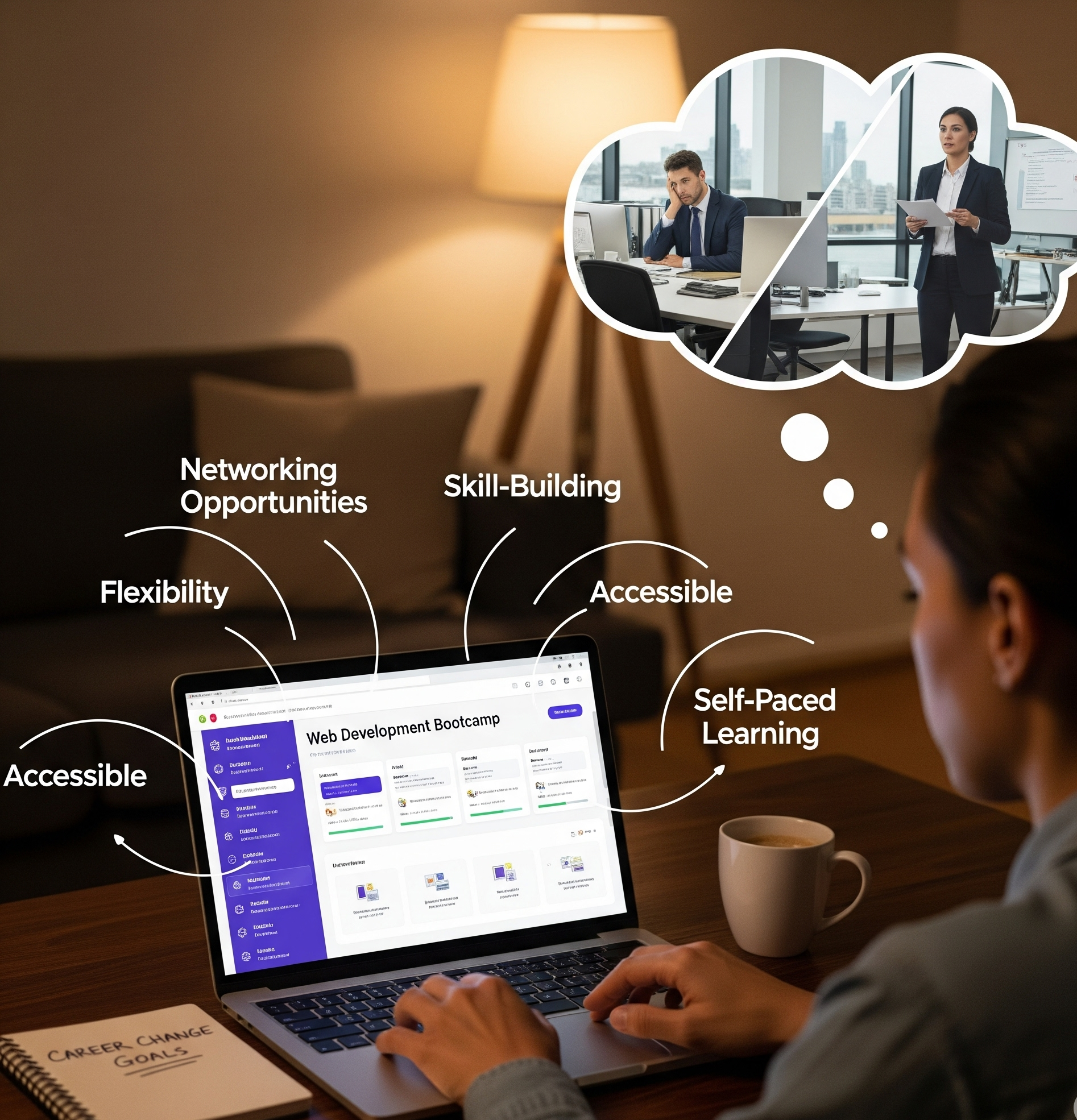
The Rise of Career Change in 2025
The job market is shifting fast, with automation and AI reshaping industries. Career changes are no longer rare—over 30% of professionals switched fields in the past year, per LinkedIn data. Online learning has become the go-to tool for career changers, offering flexibility, affordability, and targeted skills to pivot successfully. Let’s explore why it’s the perfect path for your next chapter.
What Makes Online Learning a Game-Changer?
Online learning is like a Swiss Army knife for career transitions—versatile, accessible, and packed with tools to get you job-ready. Platforms like Coursera, Udemy, and LinkedIn Learning offer courses tailored to in-demand fields like tech, healthcare, and marketing. Whether you’re a teacher eyeing data analytics or a marketer diving into UX design, online learning bridges the gap. Here’s why it’s ideal for career changers.
Flexibility for Busy Lives
Online learning fits into your schedule, not the other way around. You can study at 2 a.m. or during lunch breaks, making it perfect for working professionals. In 2025, mobile apps from edX and Skillshare let you learn on the go, so your career pivot doesn’t derail your life.
Why Flexibility Matters
With no fixed classes, you control your pace. This is a lifesaver for parents or full-time workers juggling responsibilities. I once studied for a coding bootcamp at night while working retail—flexibility made it possible.
Affordability Compared to Traditional Education
Traditional degrees can cost tens of thousands, but online courses are often under $200. Platforms like Udemy offer lifetime access for as low as $15 during sales, and Khan Academy is free. This low financial risk makes career pivots less daunting.
Budget-Friendly Options
Many platforms offer free audits or financial aid, like Coursera’s scholarships. You can test the waters without breaking the bank. A friend of mine explored digital marketing on Udemy for $20 before committing to a full career switch.
Targeted, Industry-Relevant Skills
Online courses focus on practical, job-ready skills employers crave. From Google’s Data Analytics Certificate to AWS Cloud Practitioner on Pluralsight, you learn exactly what’s needed. In 2025, AI-driven platforms like LinkedIn Learning suggest skills based on job trends.
How to Pick Relevant Courses
Research in-demand roles on Indeed or LinkedIn to match courses to job requirements. For example, a project management course on PMI.org can prep you for a lucrative field. I chose a UX design course aligned with tech job postings, which paid off.
Recognized Certifications
Employers value credentials from trusted platforms. Coursera’s partnerships with universities like Stanford and Google’s Professional Certificates carry weight. In 2025, blockchain-verified certificates from edX add credibility to your resume.
Why Certifications Matter
A certificate signals commitment and expertise. When I added a Google Analytics certificate to my LinkedIn, recruiters reached out within weeks. It’s proof you’ve got the skills to back your career change.
Top Platforms for Career Changers
1. Coursera: Academic Credibility
Coursera offers professional certificates and degrees from top universities. Its Google Career Certificates, like IT Support, are designed for career changers with no prior experience. In 2025, AI-driven paths tailor learning to your target role.
Why It’s Great for Pivots
Coursera’s structured programs guide you from beginner to job-ready. Its job placement partnerships with companies like IBM make it a solid choice for tech or business transitions.
2. Udemy: Affordable Skill-Building
Udemy’s 200,000+ courses cover every field imaginable, from coding to photography. Its low prices and lifetime access let you explore new careers without financial stress. Udemy Pro’s mentorship adds career guidance in 2025.
Why It’s a Budget Favorite
You can learn data science or graphic design for less than a fancy dinner. I used Udemy to dip my toes into web development, which sparked my tech career shift.
3. LinkedIn Learning: Career Networking Hub
LinkedIn Learning integrates with your LinkedIn profile, showcasing skills to recruiters. Its courses, like Leadership Essentials or Python for Beginners, are taught by industry pros. In 2025, its AI job-matching tools align learning with opportunities.
Why It’s a Career Booster
Certificates appear on your profile, catching employers’ eyes. A colleague transitioned from sales to marketing after completing LinkedIn Learning’s digital marketing path—recruiters loved the visibility.
4. edX: University-Level Learning
Founded by Harvard and MIT, edX offers MicroMasters and professional certificates. Many courses are free to audit, with paid options for credentials. Its blockchain certificates in 2025 ensure employer trust.
Why It’s Ideal for Serious Pivots
edX’s academic rigor suits career changers aiming for fields like data science or finance. Its MicroMasters can even count toward a full degree, offering a clear path forward.
5. Pluralsight: Tech Career Transitions
Pluralsight specializes in tech skills like cybersecurity and cloud computing. Its hands-on labs and skill assessments prepare you for real-world roles. In 2025, its project simulations mimic job tasks.
Why Techies Choose It
If you’re pivoting to tech, Pluralsight’s focus on in-demand skills is unmatched. A friend switched from teaching to IT support using Pluralsight’s practical training, landing a job in months.
Comparison: Top Platforms for Career Changers
| Platform | Best For | Pricing | Certifications | Job Placement Support |
|---|---|---|---|---|
| Coursera | Academic transitions | $39–$299/month | Yes | Yes |
| Udemy | Budget-friendly pivots | $10–$199/course | Yes | Limited |
| LinkedIn Learning | Networking and visibility | $39.99/month | Yes | Yes |
| edX | University-level skills | Free–$300/course | Yes | Limited |
| Pluralsight | Tech career switches | $29–$449/month | Yes | Yes |
Benefits of Online Learning for Career Changers
Learn at Your Own Pace
Self-paced learning lets you balance work, life, and study. Platforms like Udemy and Coursera let you pause and resume without pressure. This flexibility is crucial when you’re testing a new career path.
How It Helps
You can spend extra time on tough topics, like mastering SQL for data analysis. I took my time with a UX course, revisiting modules until I felt confident, which eased my career shift.
Access to In-Demand Fields
Online platforms focus on high-growth fields like AI, cybersecurity, and digital marketing. For example, Coursera’s Google Project Management Certificate aligns with roles paying $80,000+ annually. You’re learning what employers want.
High-Demand Fields in 2025
- Tech: Data science, cloud computing, cybersecurity.
- Business: Project management, digital marketing.
- Creative: UX/UI design, content creation.
Build a Portfolio
Many courses include projects, like building a website or analyzing data, which you can showcase. Skillshare’s project-based learning is perfect for creatives. A portfolio proves your skills to employers.
How to Create a Portfolio
Use GitHub for coding projects or Behance for design work. I built a portfolio site during a web design course, which impressed my first freelance client.
Global Accessibility
Online learning is available anywhere with an internet connection. Platforms like Khan Academy offer free courses, while edX supports 50+ languages in 2025. No matter where you are, you can upskill.
Why It’s a Game-Changer
Accessibility levels the playing field. A single mom I know studied marketing on Udemy from a rural area, landing a remote job without relocating.
Challenges and How to Overcome Them
Staying Motivated
Online learning lacks classroom accountability, making procrastination a risk. Studies show 50% of learners don’t finish courses. Set clear goals and join communities like Reddit’s r/learnprogramming to stay driven.
Motivation Tips
Break courses into weekly chunks and reward progress, like a coffee treat. I stayed motivated in a coding course by joining a Discord study group—it felt like a team effort.
Time Management
Balancing learning with work or family is tough. Create a study schedule, like 30 minutes daily, and use apps like Trello to track progress. Consistency beats cramming.
Time Management Tools
- Google Calendar: Schedule study blocks.
- Todoist: Track course tasks.
- Pomodoro Timer: Focus for 25-minute sessions.
Choosing the Right Course
With thousands of courses, picking the right one can overwhelm. Research job postings on Glassdoor to match skills to roles. Read reviews on CourseReport for quality insights.
How to Choose Wisely
Start with beginner-friendly courses or free trials. I tested a free Coursera audit before committing to a paid certificate, ensuring it fit my career goals.
Pros and Cons of Online Learning for Career Changers
- Pros:
- Flexible, self-paced learning.
- Affordable compared to degrees.
- Industry-recognized certifications.
- Access to in-demand skills.
- Cons:
- Requires self-discipline.
- Limited in-person networking.
- Some courses lack depth.
Personal Story: My Career Pivot
Three years ago, I was a retail manager feeling stuck. I wanted to break into digital marketing but couldn’t afford a degree. I enrolled in a Google Digital Marketing Certificate on Coursera, studying nights after work. The flexibility let me learn at my pace, and the hands-on projects built my portfolio. Joining a LinkedIn Learning group connected me with mentors. Within a year, I landed a marketing coordinator role, doubling my income. Online learning wasn’t just a tool—it was my launchpad.
People Also Ask (PAA)
Why is online learning good for career changes?
Online learning offers flexibility, affordability, and job-ready skills. It lets you learn at your pace, access in-demand fields, and earn recognized certifications, ideal for pivoting careers.
What are the best platforms for career changers?
Coursera, Udemy, and LinkedIn Learning are top choices. Coursera offers academic credentials, Udemy is budget-friendly, and LinkedIn Learning boosts visibility with recruiters.
Can online courses help me get a job in a new field?
Yes, courses like Google’s Career Certificates or Pluralsight’s tech programs teach skills employers value. Pair them with a portfolio to stand out.
How do I choose the right course for a career change?
Research job postings on Indeed or LinkedIn to identify in-demand skills. Choose courses with certifications and read reviews on CourseReport.
FAQ Section
How does online learning support career transitions?
It provides flexible, affordable access to in-demand skills and certifications. You can learn at your pace and build a portfolio to showcase to employers.
Which online platforms are best for tech career changes?
Pluralsight and Codecademy Enterprise excel for tech, offering hands-on labs in coding, AI, and cybersecurity. Coursera’s Google IT Support Certificate is also great.
Can I change careers without a degree using online learning?
Yes, professional certificates from Coursera, edX, or LinkedIn Learning are employer-recognized. Many career changers land jobs with these credentials and portfolios.
How do I stay motivated during online courses?
Set clear goals, create a study routine, and join communities like Reddit or Discord. Reward small wins to keep momentum.
Are online learning certifications worth it?
Certifications from trusted platforms like Coursera or Google are valued by employers, especially in tech and business. They signal job-ready skills.
Conclusion: Your Career Change Starts Here
In 2025, online learning is the ultimate tool for career changers, offering flexibility, affordability, and skills that open doors. Whether you’re eyeing tech, marketing, or creative fields, platforms like Coursera, Udemy, and Pluralsight make pivots possible. My own shift from retail to marketing showed me that with the right course and dedication, you can rewrite your career story. Pick a platform, set a goal, and start learning today—your next role is waiting.